***

Random Musings on Dogs, Photography, and the Vagaries of Life

Showing posts with label animal welfare. Show all posts

Tuesday, February 27, 2018

One of My Dogs

One of my dogs died yesterday. It wasn’t Fletcher, Folly, or even almost-16-year-old Ceiligh. And he hadn’t lived with us since early 2006. But he was still one of my dogs.

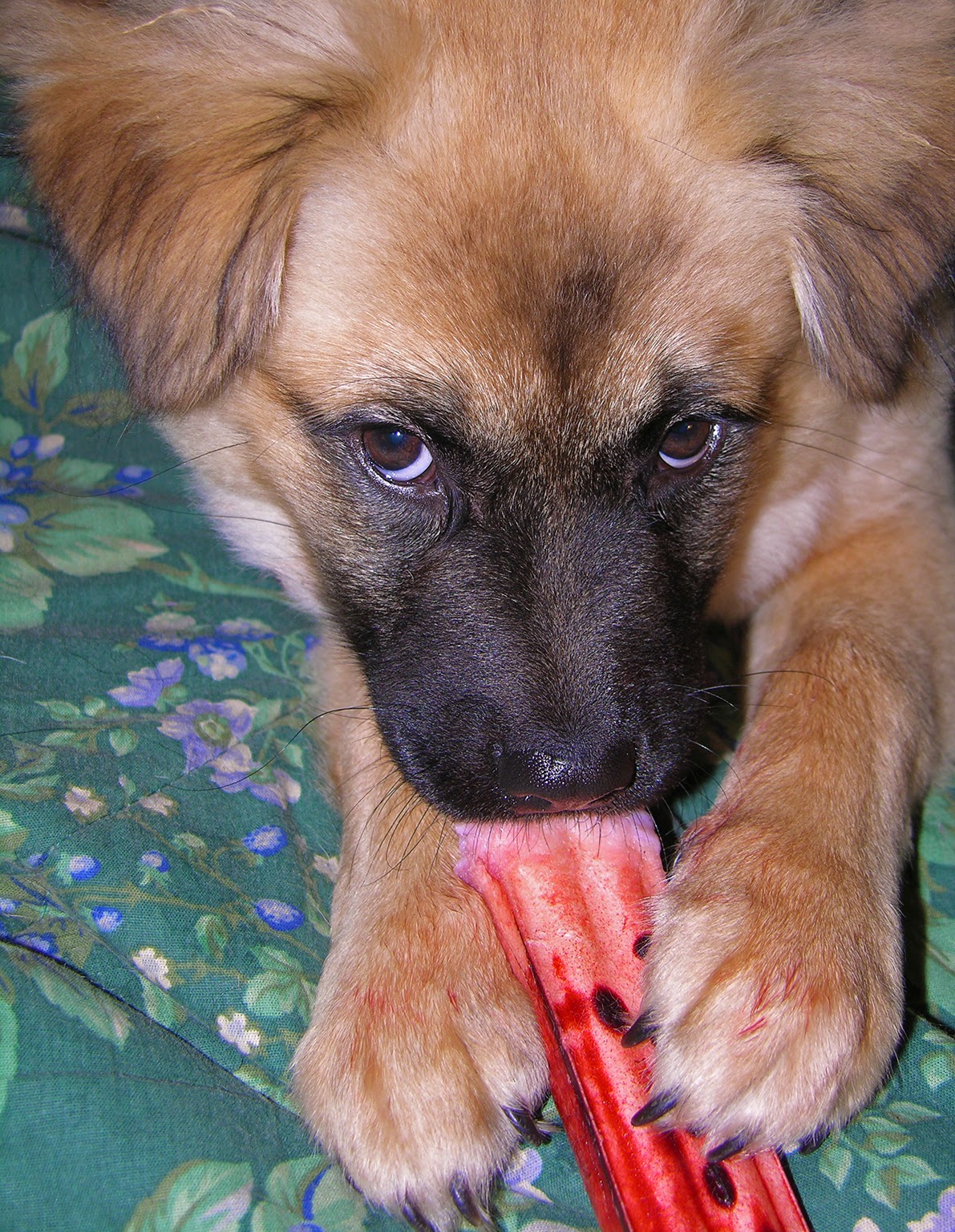
His name was Cooper and he was the first puppy that my husband, Mark, and I fostered for the SPCA/Humane Society of Prince George’s County (pgspca.org) in Maryland. He was just 2 months old when he came to us from the county animal shelter, and he immediately became a part of our family. He was sweet, playful, and eager to please…everything one looks for in a prospective canine companion.


It came as no surprise, therefore, that this precious retriever mix spent just a few short weeks in our care. He was adopted by a wonderful young couple who were thrilled to add him to their small family. Like many first children, their cat was less enthralled at the prospect of a four-legged sibling, but he eventually came around.

When you foster homeless animals, you become something of a way station on their road to a happily ever after. You know your part in their story will be a temporary one, but it’s impossible not to form an emotional bond. So their departure invariably leaves something of a void in your life, and you can’t help wondering about them and if their life is as good as you’d hoped it would be.

I was thrilled, therefore, when a year or so after adopting him, Cooper’s mom brought him to see me at a community dog event where I was working as a volunteer. Not only did I get some good quality doggy loving from—a much larger—Cooper, but I was given a small album chronicling life in his forever home. I felt like a proud grandmother.


Although I didn’t see Cooper again after that, I followed the course of his life through his mom’s posts on Facebook. I celebrated the arrival of two human siblings and felt pride in how Cooper took to his role as big brother. I smiled every time I saw a photo of the three of them enjoying special moments—like Cooper’s 12th birthday—together. He was a dog well loved.


But every love story comes to an end, sooner or later. Last Wednesday, Cooper began having trouble breathing and was taken to a veterinary hospital, where he was diagnosed with aspiration pneumonia (the same affliction that led to my father’s death last year). The veterinarians tried four different antibiotics but Cooper’s health continued to decline. His mom spent Sunday night in the veterinary hospital by his side, willing him to rally. But on Monday it was obvious that the miracle his family was hoping for was not to be, and they gave him the ultimate gift of a peaceful passing, showing him love throughout.


When I heard the news, I cried as if Cooper were my own. Which, in a way, he was. No, he didn’t live with me, and in the eyes of the law he wasn’t mine. But in my “foster mom” heart, where perhaps it matters most, Cooper—like all the fosters who have passed through our door—was and always will be at least a little bit mine.


Posted with eternal gratitude to Cooper's adoptive family.

Sunday, February 4, 2018

Ageism at HSUS: My Story

Like just about everyone in the animal welfare world, I’ve followed the news coverage involving the recent allegations of sexual misconduct against—and subsequent resignation by—Wayne Pacelle, CEO of the Humane Society of the United States (HSUS). On one hand, I'm stunned and disappointed; on the other hand, maybe I’m not surprised.
Recent media coverage of HSUS suggests that the organization, as led by Pacelle, supports a “sexualized culture” that values women more for their looks than their intellect or their abilities. That’s not hard to believe based on my own HSUS experience—one that suggests a corresponding culture of ageism.
About 12 years ago, I was in a university communications job that paid well and was close to home. I had a private office and was allowed to bring a parade of foster puppies to work with me. However, my heart was no longer in the work I did; I was in my forties and was becoming bored.
So when I learned of a communications position at HSUS (an organization to which I’d donated), I jumped at the opportunity to apply. It seemed a natural, logical step. I loved animals, especially dogs. I’d been volunteering with the SPCA/Humane Society of Prince George’s County (PGSPCA) for a number of years and was at that time serving as vice president and writer/editor of the organization’s newsletter.
My application was well received; I must have made a good impression on paper. HSUS asked me to take two writing tests and to interview with several people, including the head of communications, who had been hired by and reported directly to Pacelle. The process went well. I was impressed with the HSUS employees I met and excited about the prospect of doing work I really cared about, although there were a couple of downsides. I’d have to take a significant salary cut and give up my private office. I wouldn’t be able to bring foster dogs to work, and—worst of all—I’d have a long, miserable commute. I asked about telecommuting two days a week and the communications director told me that wouldn’t be a problem.
So when I received a call from an HR staffer with a job offer, I said I was thrilled—and asked if I could have that agreement in writing. She said the communications director hadn’t mentioned that and she would have to consult with him. She called back later to tell me that he said that wasn't possible because he wanted me onsite to "mentor" younger writers. (Oddly, the topic of mentoring had never come up in my conversation with him. I was very confused.)

After much soul searching, I decided that the negatives of the HSUS job offer—lower salary, increased transportation costs, significantly longer commute, and, most importantly, less time at home with my husband, our dogs, and any foster dogs—were too significant. I declined the offer.

And that was that…until about a year later. I was volunteering at a PGSPCA adoption event when the HR staffer from HSUS (the one who extended the job offer) walked up to greet me and said, “I have a story to tell you and it’s not a pretty one.”  My curiosity piqued,I took a break and we chatted.

The staffer told me that the communications director hadn’t wanted to hire me (despite my outperforming other applicants on the writing tests and being the first choice of other staffers) because I was "too old" and he wanted a "young" staff. (I wasn’t yet 50!) She said he'd even expressed this in email correspondence and that he became annoyed when she told him that he couldn't make a hiring decision based on age. Her conclusion was that he reneged on the telecommuting issue in the hope that I wouldn’t accept the job offer. Looking back, it all made sense.

The woman had since left HSUS but assured me that if I decided to pursue legal action, the HSUS staffers familiar with the situation—and the communication director’s comments—were good people who would not lie under oath.

After serious thought, I decided not to take legal action. I was shocked and felt wronged, but a year had passed and I’d moved on. I didn’t want to weigh down my life with the negativity such legal action would bring. More importantly, I worried that a legal battle with HSUS would hinder my chances of finding other jobs in animal welfare.

They say things happen for the best, and in my case that’s been true. I eventually took a job at the Washington Animal Rescue League (which in 2016 merged with the Washington Humane Society to form the Humane Rescue Alliance). It was closer to home than HSUS and offered flexible hours. Best of all, that job afforded me daily interaction with the homeless animals I helped through my writing and photography. I even got to share my office with shelter residents as part of their socialization process. And I still had plenty of time at home so it was a near-perfect job, one I gave up somewhat reluctantly last December when I decided it was time to focus on freelance work.

So…all’s well that ends well. But when I read that Wayne Pacelle’s HSUS promotes a sexist workplace unfriendly to women, I’m inclined to believe.

###


Just a few pics of me having fun with some of the dogsand other animals—I've encountered in the past several years. Obviously "past it." ;-)


Sunday, February 15, 2015

When We Make Animal Adoption a Chore: An Insider's Perspective


As I methodically and meticulously filled out the multi-page adoption form, diligently answering questions ranging from where my dog would sleep and what food I would feed her to how and where I would play with my dog and who would care for her when I’m away, it never for a moment crossed my mind that my application would be denied. Why would it?

I’ve been involved in the animal welfare world for quite a while. I’ve volunteered for one local organization for more than a decade, fostering dogs and serving on the board…first as a member at large and then as vice president. For the past four years I’ve worked at a private, non-profit shelter, helping promote and publicize its mission, accomplishments, and adoptable animals. And I’ve donated to and participated in fundraising efforts for still more local, regional, and national animal welfare organizations.

Natasha & Boris
Over the past 25 years, my husband, Mark, and I have shared our hearts and home with six of our own dogs. From Boris and Natasha, siblings of an unplanned litter, to Tango and Samba, rescued from a home where children were tossing the week-old puppies like balls, to current “fur kids” Ceiligh, now 12, and 2-year-old Fletcher…we’ve loved them all and tried to give them the best possible lives we could. These lives have included obedience and agility classes, hikes in the woods of Pennsylvania’s Pocono Mountains, forays to local parks, and romps on the beach and in the surf on Hilton Head Island. We’ve dealt with a variety of medical issues, ranging from incontinence, luxating patella, and ruptured cruciate ligament to seizures, degenerative myelopathy, and hemangiosarcoma. We’ve celebrated our experiences together and mourned those that have passed.

Tango
Given our experience and commitment, Mark and I believed we were ideally equipped to welcome another homeless canine into our pack. So when a friend brought to my attention a 3.5-month-old puppy available for adoption from a local rescue group, we decided to check her out.
Having introduced 17 foster pups to prospective adopters over the years, I knew the drill. At least I thought I did.

So when volunteers failed to greet us as we approached, showed virtually no interest in us, and made no effort to converse with us, I was surprised. Still, we liked the puppy and thought she’d be a good match for us so we applied to adopt her. And, confident that we’d quickly be approved, we set up a crate in our bedroom, bought some new puppy toys, and started puppy-proofing our house.

Samba
It didn’t take long for the expected email to arrive, But when I read the contents (We can't proceed with your application. You could not have signed our contract, which stipulates that dogs must not be off leash except in a contained area. We are sorry for your disappointment.) I was stunned

What?! Where had they gotten that impression that we couldn’t sign a contract stipulating that our dogs not be off leash except in a contained area? I was sure nothing in my application could have led them to that conclusion. Surely it was just some sort of mistake or misunderstanding.

Determined to get clarification, I responded, explaining that we had not and would not let our dogs off leash except in our yard, which is enclosed by a 6-foot privacy fence, and that we would welcome a home visit to check our living situation.

Two days later I received a cryptic message that said only:

I believe there were several pictures of dogs off leash on a property and at the beach.

Not exactly the response I was expecting and one that left me more confused than ever. What pictures were they referring to? So I asked.

A day later they wrote:

We were given this, your blog, which shows your dogs on a beach???


Ahh, at least now I understood. The photo at the top of my blog does indeed show Ceiligh strolling along the beach. And, yes, it does appear that she is “leashless.” In reality, however, she was attached to a 30-foot-canvas leash, which I removed from the image for artistic reasons.

I explained this and included several photos of Ceiligh and Tango taken at the beach that day, which clearly showed their leashes.
The next day, I received what seemed a somewhat grudging message notifying me that we could proceed to the next step of the adoption process.
Finally! I felt vindicated.
But a feeling of having to defend ourselves had left my husband and me with the proverbial bad taste in our mouths, so we chose not to pursue the adoption.
Fortunately, while engaging in our multi-day online “conversation,” I’d discovered that three litter mates of the puppy we were interested in had been rescued from the shelter by another rescue group…the same group we’d adopted our dog Fletcher from 18 months previously. And the members of this group were thrilled that we were interested in adopting another dog from them! They welcomed us enthusiastically at their adoption show (where Fletcher had a joyful reunion with is foster mom) and said, of course, we could adopt the puppy. So despite the fact that their adoption fee was higher, we were happy to pay it…and will likely continue to support them. Talk about good marketing.

So…our adoption story has a happy ending and we have a new canine companion we love!

Folly
But we also have a better understanding of why people—good people who want to do something positive for a homeless animal—can get turned off by rescue organizations and the whole adoption “thing.”  They get tired of jumping through sometimes arbitrary hoops; they get frustrated and angry when they’re ignored, dismissed, or treated condescendingly or even with suspicion; and all too often, they end up buying a feline friend or canine companion from a pet store…something none of us in animal rescue wants. Every animal that doesn’t get adopted prevents another animal from being rescued from a shelter where it remains at risk of euthanization when space runs out.

I’m not saying that animals should be placed in just any home. We owe it to the dogs and cats (and bunnies, guinea pigs, etc.) we’ve rescued to do our best to ensure that they go to homes were they will be safe, cherished, and cared for.

And I understand how easy it is to become attached to the animals we care for and how emotional the process of letting them go can be. One of my most painful fostering recollections was hearing a puppy cry and scratch at the inside of her new home’s front door when my husband and I left…even though I knew her new family would love her always.

Fletcher
Nevertheless, we must avoid the trap of thinking that no home can be as good as ours, that no one can love the animal as much as we do. As a speaker from the ASPCA once said at a conference I attended, those of us in rescue often get caught up in trying to find the “perfect” home instead of trying to find a “good” home. And while we wait for perfection, another shelter animal dies.

We also must remember that even after interacting with potential adopters, reading their applications, and perhaps checking references, we know only the smallest bit of who those people are. I can remember once being concerned that a couple interested in one of my foster puppies wasn’t spending a lot of time sitting on the floor of the pet supply store playing, petting, and cooing over the dog (which is what I would have been doing). Fortunately, I decided that was no reason not to approve their application. Thank goodness. Although they weren’t publicly demonstrative people, these people adore their dog!  At some point, we just have to take a leap of faith.

Are there people who shouldn’t have animals? Absolutely.

Should we adopt an animal to everyone who wants one? Absolutely not.

Ceiligh
But we can and should treat every potential adopter with respect and courtesy. We should applaud their desire to give a homeless animal a home and, unless they give us reason to believe that they would not love and care for animal to the best of their ability, we should encourage them, educate them (especially first-time pet guardians), and guide them in choosing a companion best suited to their personalities and lifestyle. 

And perhaps we should acknowledge that one size doesn’t fit all when it comes to adoption. Rules are important, but sometimes breaking them is the right thing to do. While my husband and I don’t allow our dogs to run on the beach or hike mountain trails unleashed, I know some extraordinary dog guardians—including a couple of professional dog trainers—who do. They have trained their canine companions well and knowand trust—them to respond to commands even in the face of irresistible temptation. Rejecting the applications of such people would only deny a homeless dog an amazing home. 

Finally, and perhaps most importantly, we should never miss an opportunity to leave every person we interact with feeling positive about our organizations and about the concept of animal adoption in general. The results if we don’t can be unfortunate on so many levels.

We can miss out not only on good adopters but also on potential volunteers and donors. Our organizational reputations can suffer.  But the real tragedy is that we may discourage people from trying to adopt an animal not just from our organization but from any organization at all. And when that happens, we fail homeless animals everywhere.


Sunday, August 3, 2014

The Faces of Fostering


As a writer and photographer, I employ both words and images to communicate. For this post—in honor, appropriately, of the dog days of summer—I’ve chosen to rely primarily on images…of some of the wonderful dogs my husband and I have fostered over the years while they waited for their forever homes.

Most of these temporary canine companions arrived in good health; others had health or medical issues, such as demodectic mange or injured limbs that required surgery or even amputation. Some were outgoing; others, more cautious. Some shared our home for mere weeks, others several months. But no matter how short or long their time with us, each and every one of these dogs—from Lab mix pup Cooper, our very first foster, to rat terrier mix Taz to Plott hound mix Darla—found their way into our hearts and left us with wonderful memories.

People sometimes say to me, "Oh, I could never foster a dog; I'd want to keep them all," and ask, "Don't you feel sad when they leave?"

I always explain that we take in foster pups knowing that their stay will be limited and that having our own dogs makes their departure easier. And, yes, I feel a bit sad initially. But on the advice of a wise friend who has fostered many more dogs than I have, I treat myself to a glass wine once they're safe and sound in their new home and toast them and their new families in their futures together.

At the moment, my husband and I have no foster dogs. We're still enjoying the arrival of a new permanent canine family member. But I'm sure the day will come when we decide to once again become a "way station" on the way to a new life for another homeless dog.

Because, seriously, just look at these faces. How could we not?


Fostering saves lives and brings great joy! I encourage you to share in this joy by contacting your local shelter or rescue organization and asking how you can become a dog or cat foster parent.

Thursday, January 30, 2014

The Miracle of Asha


In animal rescue, we’re always praying for miracles. Sometimes we get them, and when we do, we rejoice. All too often, we don’t. And then we grieve.

But I’m beginning to think that even when we don’t get the miracles we hope for, we sometimes still receive reasons to rejoice…although we may not realize it at the time. Take the case of Asha.


This petite pit bull terrier mix was rescued in 2011. She was found tied up in the basement of a row house in Baltimore, thin and covered with blood and open sores crawling with maggots. Her rescuers believe she was used as a bait dog. For those of you unfamiliar with the term (lucky you), that’s a dog—usually of a more submissive temperament—used as a canine “punching bag” by other dogs being trained to fight.

When Asha arrived at the Baltimore Animal Rescue and Care Shelter (BARCS), she was so severely wounded that she needed emergency treatment before she could even be transported to a Baltimore area veterinary clinic, where she underwent additional surgery involving more than 100 stitches. Then, because of her bite wounds and unknown vaccination status, she was placed in quarantine at the veterinary hospital for 6 months. 

And that’s where Asha’s legacy took root. One caring individual created a Facebook page for her in order to solicit financial support for her care and quarantine costs, and local news media covered her story. Donations and messages of concern began pouring in, and by the time Asha went to a foster home, she had more than 800 Facebook "friends"…far more than most people I know.

But the caring and involvement didn’t stop there. Throughout Asha’s quarantine, a dozen or so people—known as “Asha’s Angels”—visited her at the veterinary hospital regularly.  Others shared their love and support by hand delivering or sending her beds, treats, toys, sweaters, holistic lotions…and her favorite snack, French fries.


I was fortunate enough to be invited to meet—and photograph—Asha during her stay at the veterinary hospital. While still obvious, her wounds were healing and she seemed delighted with her toys and treats. I ended up including a photo of Asha in my dog photo book, Brindled Beauties

It seemed Asha was adored by the world…at least the part of it encompassing the Baltimore, MD, region. People were celebrating her rescue and recovery, and wishing a happy ending for her story.
Sadly, it was not to be.

On January 9, 2014, the rescue organization that took Asha into their care, posted the following message on Facebook: 

It is with our sincerest regrets that we, Baltimore Bully Crew, need to address that we were forced to humanely euthanize a long-time Bully Crew dog, Asha. She began her journey with us over two years ago after being rescued. She went to a foster and eventual adopter and found herself back with us after dynamics in that home did not work out. We knew she had some issues with other dogs when she came back to us. She was placed into a foster home with experienced crew members who continued to evaluate her needs and work on her rehabilitation. In the seven months that she had been back, it became abundantly clear that there were some major behavioral issues that were going to need to be addressed. She clearly demonstrated that living with other animals was never going to be an option. Secondly, she, on multiple occasions, demonstrated human aggressive tendencies with the intent of biting. While we do have dogs in our rescue that sometimes have to be "only dog" dogs, we cannot responsibly and in good conscience place a dog that shows unpredictable signs of human aggression back into society. So, we made what we believed to be the responsible decision to do right by Asha and society. The vets who cared for her for the last two years supported our decision. We are all very distraught at this ending, but feel it is important to be honest with the public, as this is a reality of rescue.

Those of us who had followed Asha’s story and celebrated her milestones were devastated. But as the dozens of follow-up Facebook messages revealed, nobody had anything but respect, support, compassion, and appreciation for members of the rescue organization and the incredibly difficult decision they had been forced to make. In fact, many of these posters shared messages of commiseration, recalling similar difficult decisions.


But while we all grieve for Asha’s failure to get the “happily ever after” we all wanted so desperately for her, there is still reason to rejoice. Like a pebble tossed in a pond, creating ripples that spread ever outward, the life—and death—of this one young, damaged dog has had a lasting positive impact.

People came together for Asha. People rescued her, treated her wounds, cared for her while she recovered, tried to help her overcome her emotional scars, and showed her what love was. People read her story and were inspired to battle the evils of dog fighting through education and political action. People helped pay for her medical and boarding bills or were inspired to donate to shelters and animal welfare organizations. And people connected and became friends with other animal lovers both in person and in cyberspace. 

Given this groundswell of support, I can only believe that many of these people will renew their ongoing efforts to help animals in need, and others—who may have stood on the sidelines—will now enter the fray. And this means there’s hope for the thousands of other Ashas still waiting for their second chance.

Not a bad legacy for one small dog.